Lift in Windy City: Successful Crane Operation
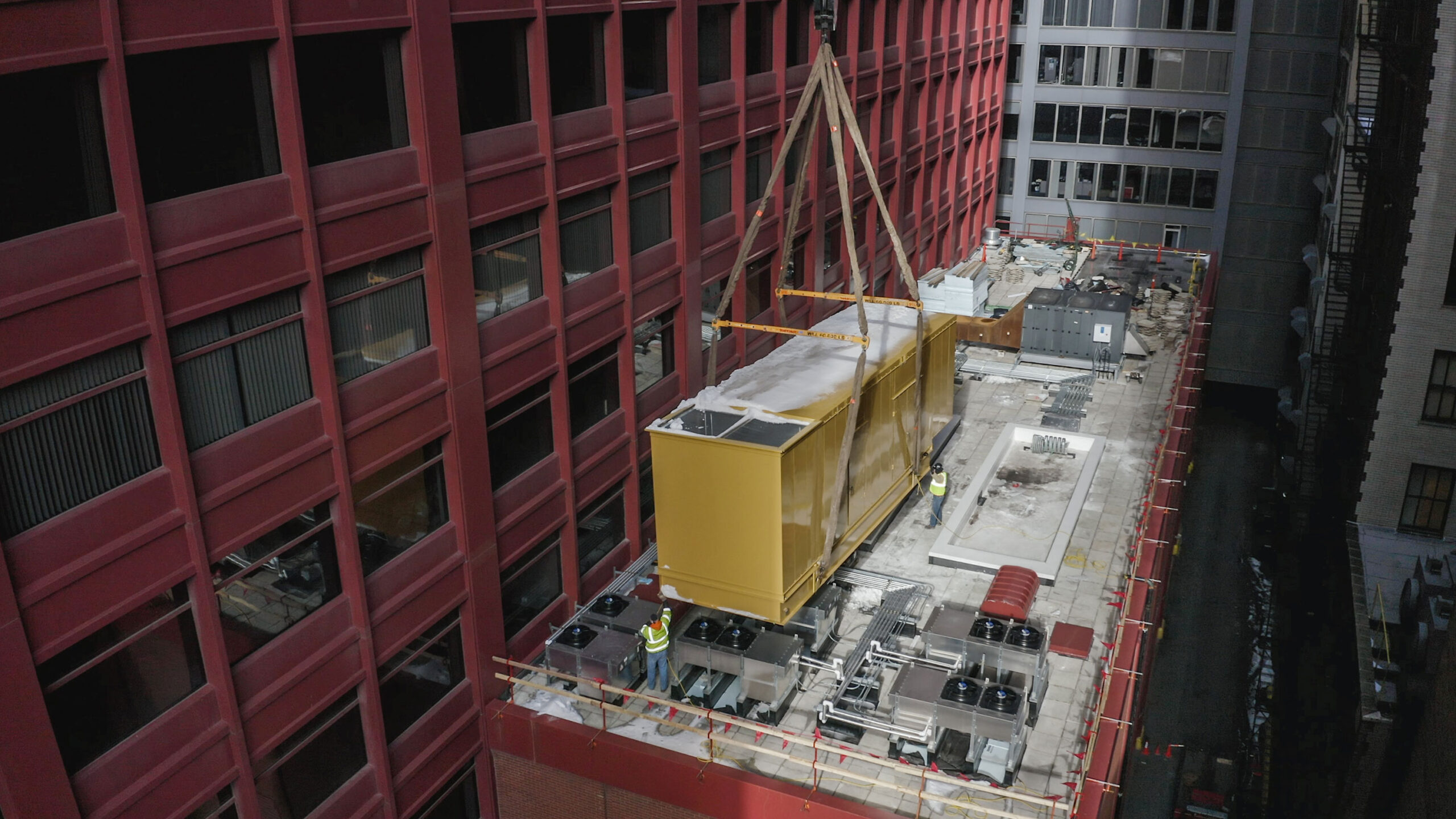
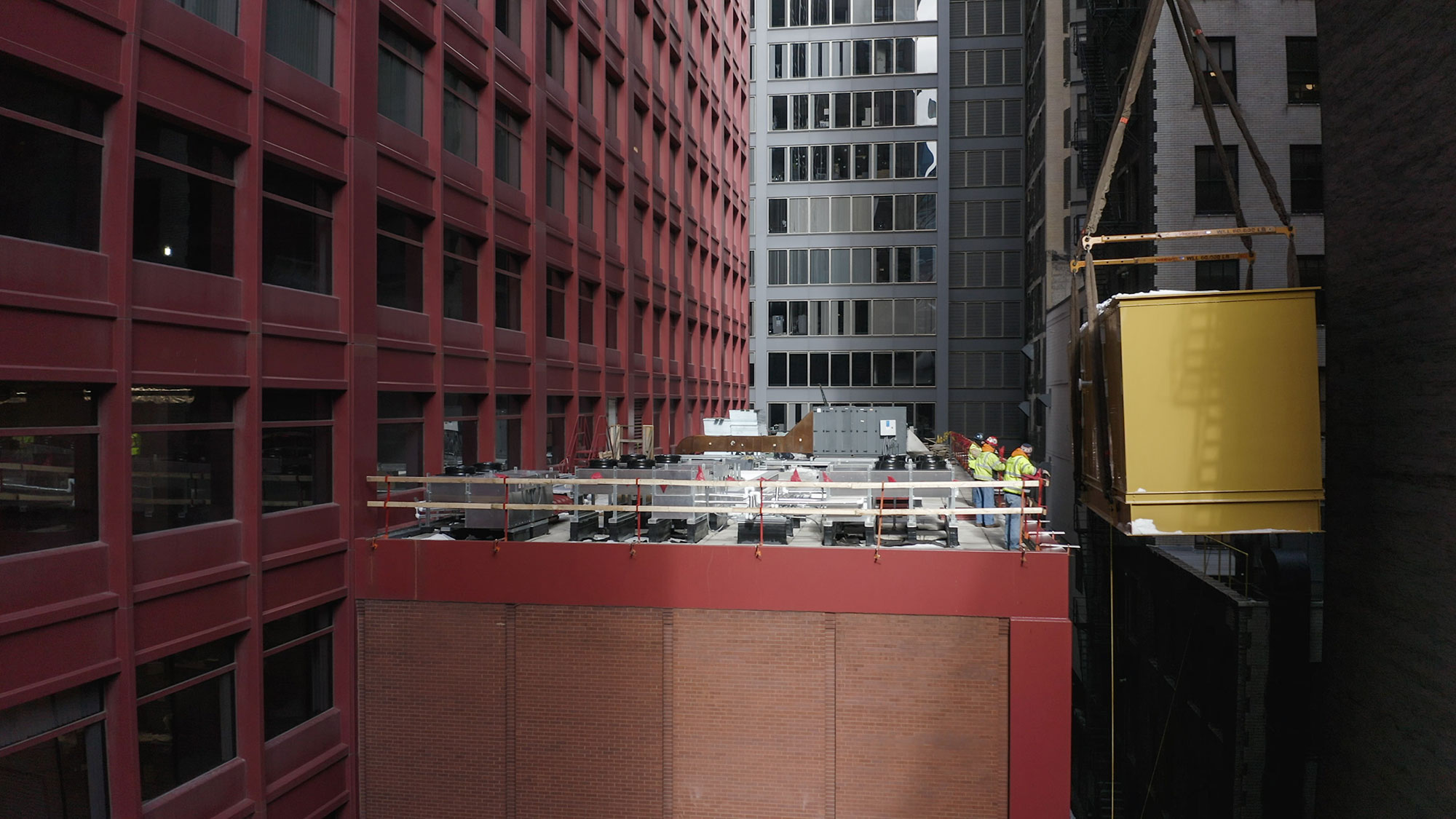
In the field of heavy lifting, meticulous planning is essential for successful execution. A prime example was a recent project in downtown Chicago. Amidst the challenging conditions of a narrow street flanked by tall buildings in January, we were tasked with lifting two large objects.
The site was a substantial 44-story office tower, accommodating various companies. Often, when new tenants arrive or existing ones modify their requirements, alterations to the building are necessary. In this instance, the installation of two substantial generators was required to provide backup power for a tenant. This operation demanded extensive planning, particularly to minimize disruption. Consequently, we executed the lift over a weekend, taking advantage of the reduced foot traffic for increased safety and efficiency.
333 Wabash
project stats
- Worked within a 24hr window to erect, operate, and dismantle crane.
- Lifted 57k lb in tight alleyway.
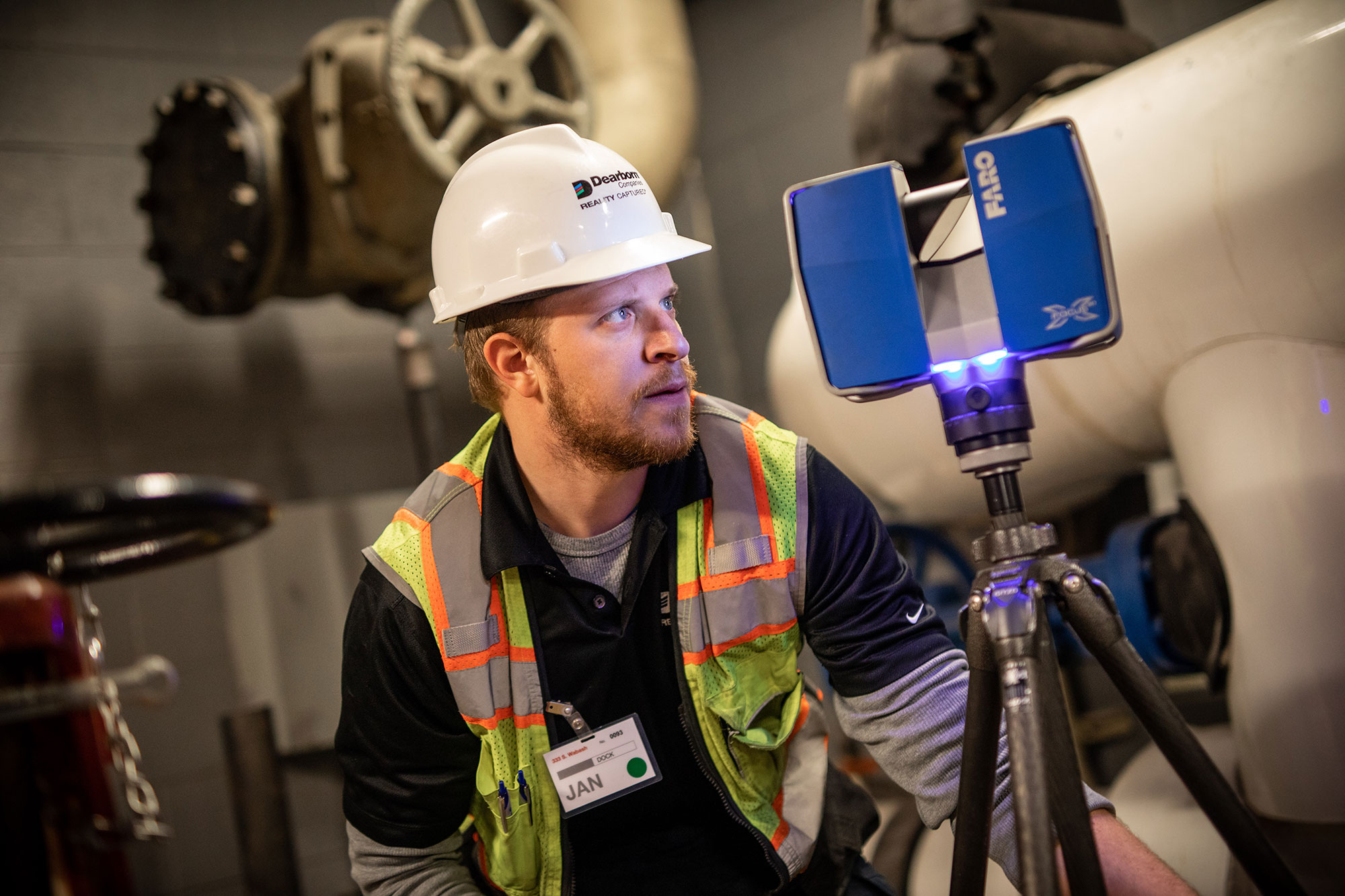
- Mapped out utilities with ground-penetrating radar & 3D scanning tech.
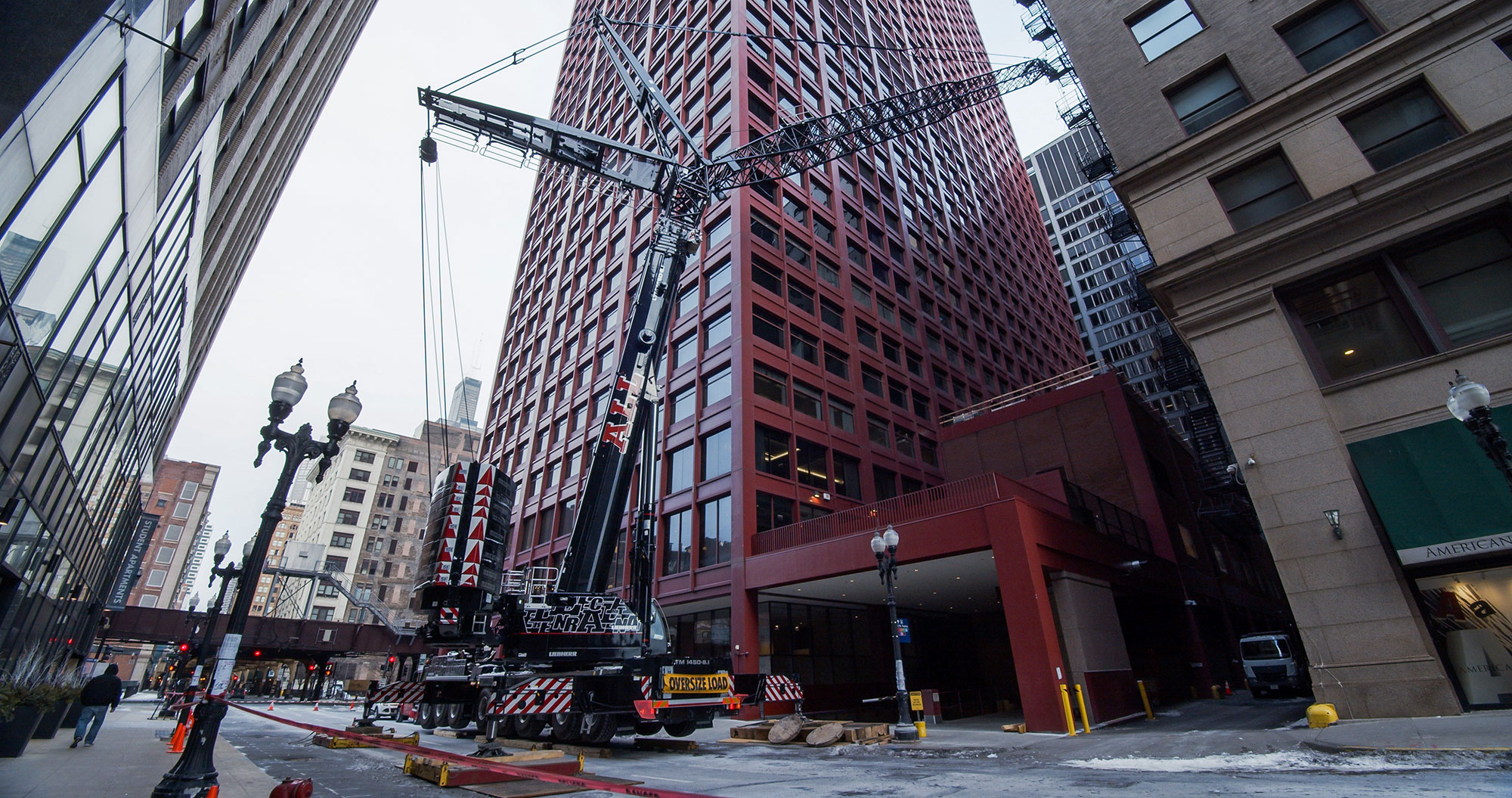
The project presented several formidable challenges that our team had to navigate. A primary obstacle was the location of the building where the generators were to be installed: a four-story structure nestled between two taller buildings, accessible only via a narrow street and alleyway. The operation required a crane capable of hoisting a 57,000 lb load to a height of 40 feet and extending 133.9 feet horizontally, yet compact enough to fit within the confined street space. Adding to the complexity, the crane was permitted on-site only after 8:00 p.m. on Saturday and had to complete the rigging, perform both lifts, and be removed by 6:00 p.m. the following Sunday.
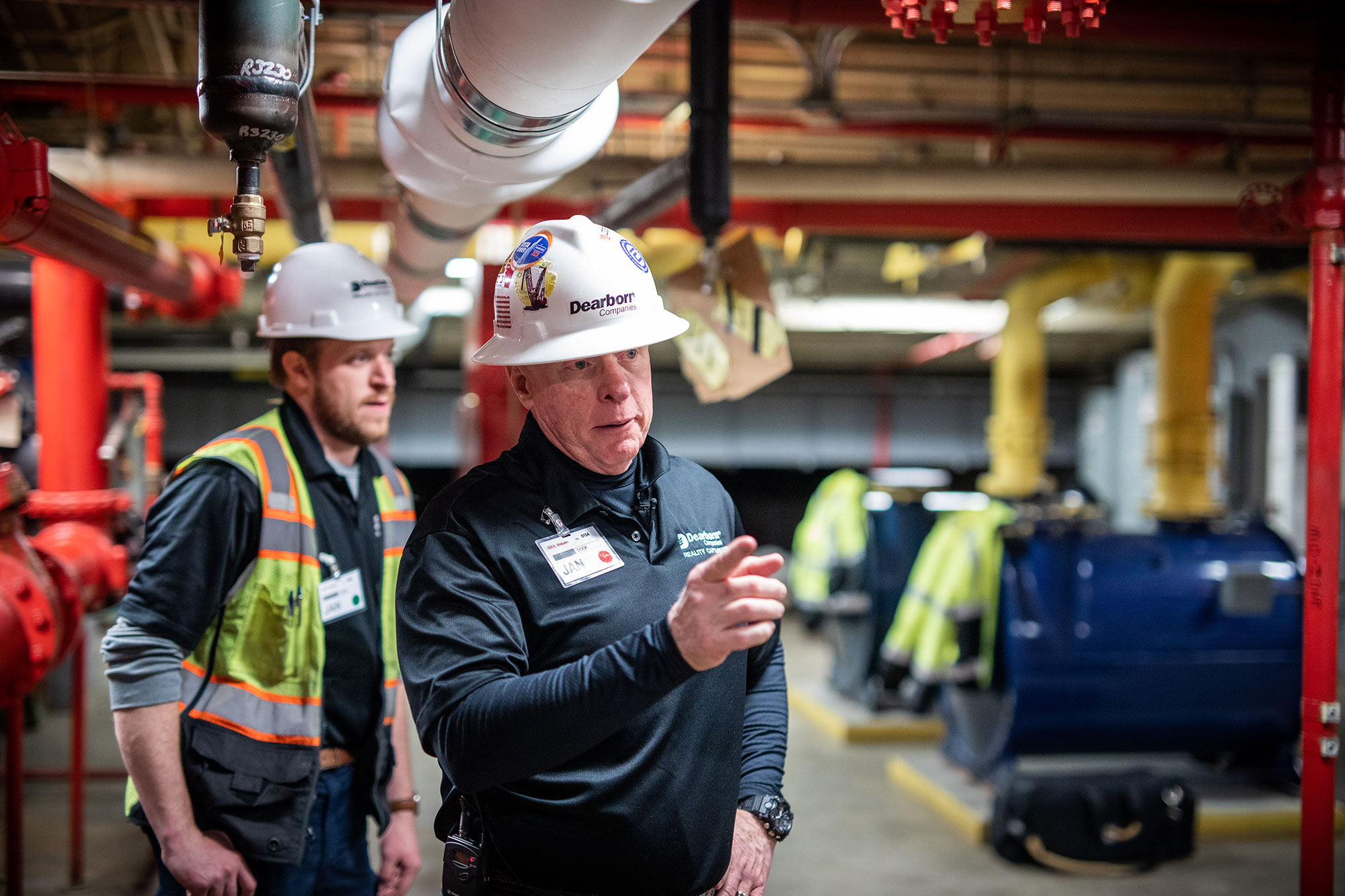
Despite the crane setup, dual lifts, and subsequent removal taking less than 24 hours, three months of meticulous preparation were essential for a seamless operation. This preparation involved various steps, including using ground-penetrating radar to identify underground utilities and structures, 3D laser scanning to detect above-ground obstructions and basement piping, and designing shoring and crane matting. Special attention was given to potential voids or unstable soil, crucial in urban settings like Chicago where basements often extend under sidewalks and utility vaults or tunnels beneath streets.
For this task, Central Contractors Service opted for a Liebherr LTM 1450-8.1 550-U.S.-ton all-terrain crane. The decision was based on the available space, load weight, lift radius, and the setup/teardown schedule. The crane’s configuration was extensive: its outriggers spread to a 31” wide and 34’2” long footprint, loaded with 295,400 lbs. of counterweight, and rigged with
52.7′ of main telescopic boom plus 138′ of lattice luffing jib. Dearborn’s mapping and analysis were instrumental in determining the optimal crane positioning in the constrained area. The crane support design was particularly intricate, as two outriggers were positioned over the sidewalk above a two-story-deep section of the building’s extended basement, with a third outrigger over a street utility vault. To ensure stability during operation, we implemented temporary shoring in both the basement and sub-basement. The entire operation was executed safely and efficiently, concluding a few hours short of the allotted time.